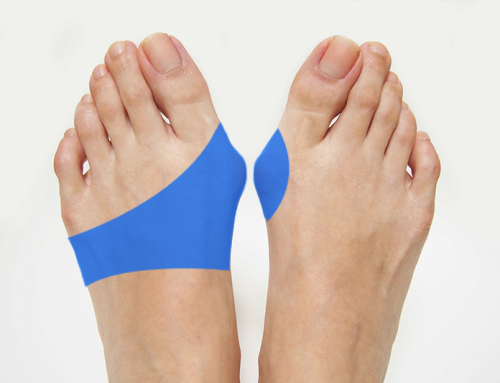
Short answer: Not every lump on the side of your foot is a bunion. A hard lump that feels like bone is usually a bunion, a bone spur from arthritis in the big toe joint, or a tailor’s bunion by the little toe. Softer lumps are more often a ganglion cyst, lipoma or inflamed bursa. We can usually tell which one you have with a quick exam and an X-ray.
Foot pain can be both extremely irritating and inconvenient. Regardless of how active you are throughout the day, having a lump or source of discomfort on your foot can seriously affect your routine. If you’ve recently noticed a lump on the side of your foot, you could be suffering from one of a number of painful conditions. So, what is the lump on the side of your foot? While we recommend speaking with a medical professional to be sure, we’ll list five common causes of a lump on the side of your foot and explain how you can address them to ensure your well-being and comfort:
Bunions
In many instances, a large, bony protrusion on the side of the foot by the big toe will turn out to be a bunion. Sometimes bunions appear red or swollen. These hard lumps can come about because of foot trauma, genetics, arthritis, or even ill-fitting footwear. Bunions will get worse over time –– particularly without treatment. While many people live with bunions, they can become very painful and quite large.
Tailor’s Bunions
As opposed to “normal bunions,” which appear on the side of the foot by the big toe, tailor’s bunions occur on the opposite side –– by the little toe. Otherwise, tailor’s bunions, or “bunionettes” as they’re sometimes called, are basically the same as a typical bunion, and they are generally caused by the same conditions. Lump on the outside of the foot instead? See what causes a bump on the outside of the foot.
Noncancerous Growths
Individuals may experience several types of non-cancerous growths on the side, top, or arches of their feet. These bumps or lumps may be soft-fluid filled sacs. They may be painful or cause irritation, or they may even cause numbness in some instances. Or, they may not contribute to any discomfort at all.
Some noncancerous foot-growths include:
- Ganglion Cysts –– small lumps that can cause tingling or numbness in the foot.
- Lipomas –– noncancerous growths of fatty tissue.
- Sebaceous Cysts –– small lumps that form as a result of overgrown hair follicles or blocked glands.
- Plantar Fibromas –– hard, benign nodules that may appear on the arch of the foot.
- Bursitis –– inflamed sacs near foot joints.
In most instances, a medical professional will be able to remove/treat all of the above conditions with few difficulties. It’s rare for malignant tumors to form on the foot, but it’s not entirely unheard of. So if you notice any unusual lumps or bumps on your feet, you should get them checked out by a medical professional.
Arthritis
Arthritis in the foot may cause pain, irritation, and in some cases, certain types of swelling. Rheumatoid nodules are very small, but firm, growths that can form around nerves affected by arthritis. Also, hallux rigidus is a condition in which the big toe becomes inflamed and swollen as a result of arthritis.
Gout
Gout itself is a form of arthritis that develops because of a high amount of uric acid in the bloodstream. Gout is often characterized by tenderness, pain, or swelling of the joints –– most notably around the big toe.
Frequently Asked Questions
The most common causes are a bone spur from arthritis in the big toe joint (hallux rigidus), a ganglion cyst, an inflamed bursa, or gout. A bunion is the big toe joint drifting out of line; a spur is extra bone that builds up on the joint. An X-ray shows the difference right away.
Because it usually is bone — a bunion, a bunionette by the little toe, or a bone spur. Hard bony bumps don’t go away on their own. If it’s painful in shoes, growing or changing quickly, have it checked so we can rule out anything more serious.
See us if the lump hurts, rubs in shoes, is getting bigger, is red or warm, or causes numbness or tingling. Malignant growths on the foot are rare, but any new or changing lump is worth an exam.
Speak with a Medical Professional About A Lump On The Side Of Your Foot
For decades Northwest Surgery Center has been a pioneer in treating and curing bunions. Our surgeon, board certified by the American Board of Podiatric Medicine (ABPM), can help you identify foot-pain problems and remove painful bunions for good. Bunion surgery typically takes about 20–30 minutes, or 45–60 minutes when combined with other procedures such as multiple hammertoe corrections. The visit takes longer than the surgery itself because preparation and recovery are included. Contact us here to learn more or to schedule an appointment to discuss your treatment options.
Medically reviewed by Jordan Sullivan, DPM · Updated October 28, 2026

Reviewed By Dr. Sullivan
Dr. Jordan Sullivan, DPM, is a podiatrist board certified by the American Board of Podiatric Medicine (ABPM) at Northwest Surgery Center specializing in minimally invasive foot and ankle procedures. He’s passionate about helping patients get back on their feet faster with less downtime.
Learn more about Dr. Sullivan here.