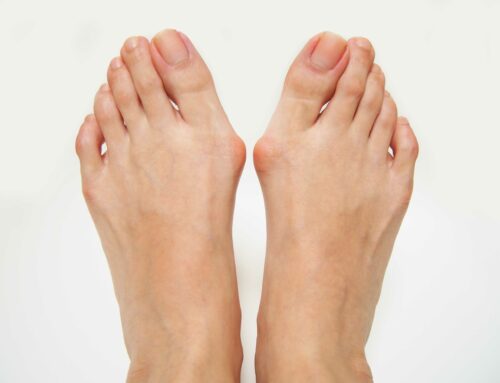
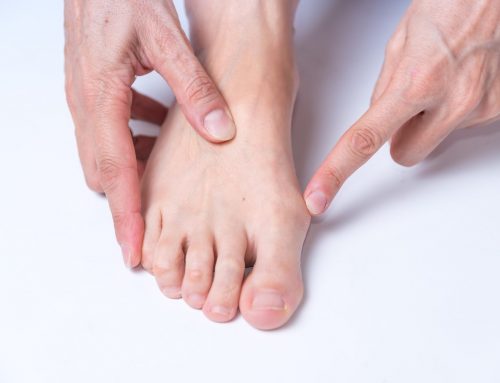
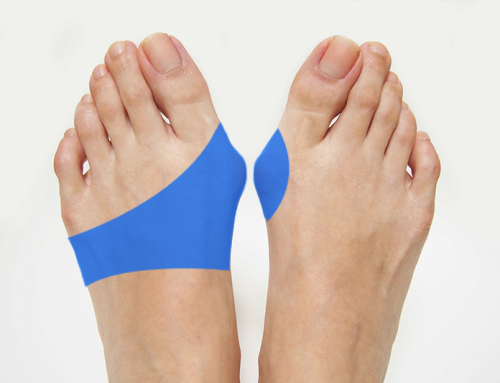
A tailor’s bunion, also called a bunionette, is a bump on the outside of the foot by the little toe. It forms on the opposite side of the foot from a big-toe bunion and is usually smaller, but it can rub in shoes and hurt just as much. One question we get all the time is how to get rid of a tailor’s bunion. Home care can ease the pain and, at most, slow how fast it gets worse. It won’t remove the bump. Removing the bump takes a procedure.
What You Can Do At Home
Most people start with home care, and that’s reasonable. These steps treat the symptoms. They don’t change the shape of the bone.
- Wear wider shoes with room at the little toe, so the bump isn’t pressed all day.
- Skip high heels and narrow, pointed shoes.
- Use bunion pads or cushions over the bump to cut down friction between the shoe and the bunion.
- Ice packs and gentle stretches may help with swelling or throbbing.
These steps may ease the pressure and, at most, slow progression. None of them will shrink the bump, and products like bunion correctors won’t realign the foot in any meaningful way.
When Home Care Isn’t Enough
If the bump is still painful after these changes, rubs in most shoes, or limits what you do, have it examined. When it keeps hurting, we can correct it through a small incision, always without plates, screws or pins. You walk out the same day in a surgical shoe.
Our tailor’s bunion surgery page covers how the correction is done, what recovery looks like, and when you can get back to normal shoes and work.
Getting Rid Of A Tailor’s Bunion
If you’re tired of working around a painful tailor’s bunion, contact us for a consultation. We’ll examine your foot, review X-rays, and tell you whether home care is enough or correction makes sense.
Medically reviewed by Jordan Sullivan, DPM · Updated October 28, 2026
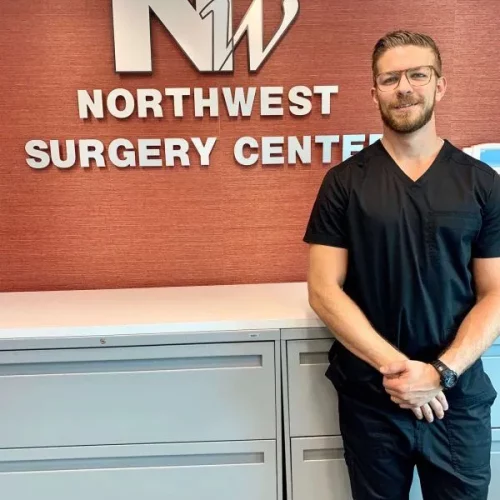
Reviewed By Dr. Sullivan
Dr. Jordan Sullivan, DPM, is a podiatrist board certified by the American Board of Podiatric Medicine (ABPM) at Northwest Surgery Center specializing in minimally invasive foot and ankle procedures. He’s passionate about helping patients get back on their feet faster with less downtime.
Learn more about Dr. Sullivan here.