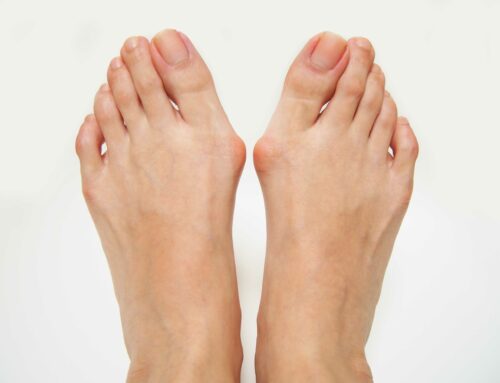
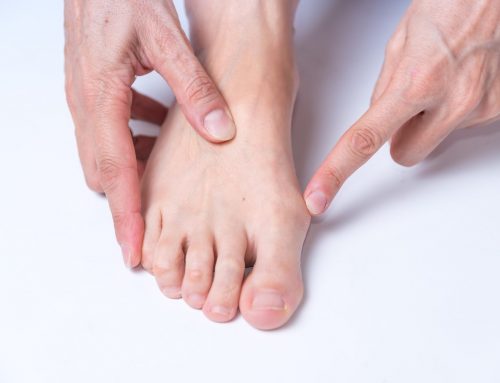
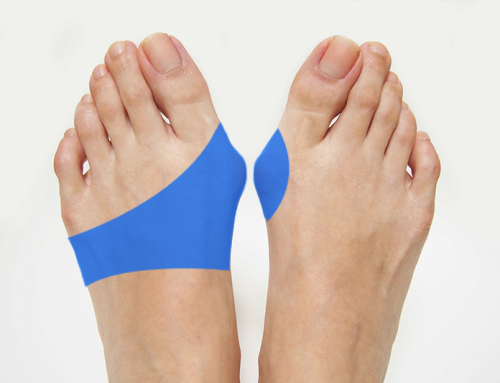
Many people have an understandable reluctance to undergo surgery if they can avoid it. This makes sense most of the time, but when it comes to bunions and bunion pain, surgery really is the only method capable of removing bunions and alleviating bunion pain permanently. Yet, there are actually dozens of types of bunion surgery. Indeed, depending on the size and severity of the bunion –– as well as other health factors –– doctors may recommend any one of 40+ possible surgical options. Obviously, this might seem overwhelming to a patient. With that in mind, today we’ll take a look at some of the most common types of bunion surgery, explain what they are, and what you as a patient can expect from them. Check it out here:
Minimally Invasive vs Traditional Bunion Surgery
While the objectives of most bunion surgeries are very similar, the methods surgeons use to carry them out fall into two distinct categories: minimally invasive and traditional, open-foot surgery.
During traditional bunion surgery, the surgeon will make a large incision along the to or side of the foot. Often, they will remove the bunion and use metal screws or plates to hold the alignment of the foot in place. While this can be an effective way to remove a bunion, it also creates lots of collateral damage and difficulties. There is generally a longer recovery due to the amount of scarring and disruption blood supply to the bones. This type of bunion surgery is more susceptible to infection and in many instances patients experience large scarring and stiffness along their foot as a result. What’s more, traditional bunion surgery requires general anesthesia and significant recovery time. It could take a patient months before they’re able to walk freely and without pain after traditional, open-foot surgery.
Conversely, minimally invasive surgery accomplishes the same goals as traditional surgery, but without the detrimental side effects. For one, minimally invasive surgery involves only a very small (¼ inch) incision along the side of the foot. This cuts down on scarring and recovery time. What’s more, doctors only need to use local anesthesia to numb the foot. This means that patients can, and regularly do, walk out of the operating room and drive home after their procedure. Finally, recovery time is drastically shorter with minimally invasive surgery.
Variations of Bunion Surgery
If your doctor recommends bunion surgery, they may use certain, specific terms to describe the procedure. As we mentioned above, that’s because there are many different variations on bunion surgery. Some of the most common types of bunion procedure include:
- Exostectomy –– during an exostectomy the surgeon will remove the bunion from the joint. This is often referred to as a “bunionectomy” or bunion removal. A strict exostectomy does not involve the realignment of the foot, and, as such, is typically performed in conjunction with another procedure.
- Osteotomy –– an osteotomy is a surgical bone cut performed to correct the joint near the big toe and restore the alignment of the foot.
- Arthrodesis & Arthroplasty –– individuals with arthritis and bunions may require specialized procedures like arthrodesis –– meant to fuse and completely remove the function of the joint, and arthroplasty –– meant to remove damaged portions of joint. Both may require the insertion of screws and/or plates to hold the new alignment of the foot together.
Keep in mind that over-the-counter treatments like bunion splints, pads, and cushions will –– at best –– offer only minor and temporary pain relief. And none will act to reduce or “cure” a bunion.
Contact Us
At The Bunion Cure, we specialize in minimally invasive treatments. Our expert team has years of experience helping patients overcome bunion pain and get back to living their life to the fullest again –– pain-free. Contact us here to learn more about our methodologies or to schedule a free consultation today.
To learn more about minimally invasive bunion surgery, contact the experts at The Bunion Cure! or download our free “Guide to Minimally Invasive Foot & Ankle Surgery“!

Frequently Asked Questions – Types of Bunion Surgery
1. What types of bunion surgery are available?
- Minimally invasive surgery: tiny incision (~¼ inch), local anesthesia, minimal tissue disruption.
- Traditional (open-foot) surgery: larger incision, general anesthesia, and often involves plates or screws.
2. Why choose minimally invasive over traditional surgery?
- Smaller incision leads to less scarring, lower infection risk, and faster recovery.
- Local anesthesia allows patients to walk out and even drive after surgery only if they have not taken Ativan, narcotic pain medication, or anything else that impairs driving.
3. What’s an exostectomy?
This involves shaving down the bony bump (the bunion) without moving bones. It’s usually combined with other procedures as it doesn’t correct the underlying misalignment.
4. What is an osteotomy?
A surgical cut made to bone (usually the metatarsal near the big toe) to realign the joint and correct the bunion deformity. Modern osteotomies, including ours, can correct the bone in all three planes, including rotation.
5. What are arthrodesis and arthroplasty?
- Arthrodesis (fusion): permanently joins bones in arthritic joints, eliminating movement.
- Arthroplasty: removes damaged joint portions and often uses screws or plates to reconstruct joint alignment.
6. How many variations of bunion surgery are there?
Though over 40 procedures exist, exostectomy, osteotomy, arthrodesis, and arthroplasty are among the most common.
7. Do non-surgical options eliminate bunions?
No—over-the-counter devices like splints or bunion pads offer only temporary symptom relief. Surgery is the only way to correct the deformity permanently.
8. Which approach does The Bunion Cure prefer?
We specialize in minimally invasive bunionectomy: small incisions and a precise bone cut (osteotomy) that corrects the bunion in all three planes, including rotation, held with a temporary pin.
9. What should I expect if I choose minimally invasive surgery?
- Bunion surgery typically takes about 20–30 minutes, or 45–60 minutes when combined with other procedures such as multiple hammertoe corrections. The visit takes longer than the surgery itself because preparation and recovery are included.
- Walk out the same day in a surgical sandal.
- Lower pain, faster healing, and reduced risk of infection versus traditional methods.
10. How do I know which surgery is best for me?
The best option depends on:
- Severity of your bunion
- Overall foot and joint health
- Your recovery goals
Medically reviewed by Jordan Sullivan, DPM · Updated October 28, 2026

Reviewed By Dr. Sullivan
Dr. Jordan Sullivan, DPM, is a podiatrist board certified by the American Board of Podiatric Medicine (ABPM) at Northwest Surgery Center specializing in minimally invasive foot and ankle procedures. He’s passionate about helping patients get back on their feet faster with less downtime.
Learn more about Dr. Sullivan here.